
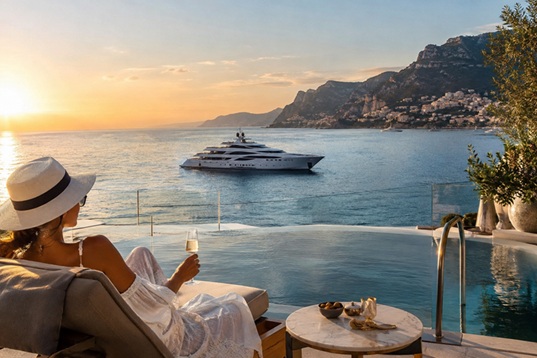
From bespoke itineraries and private yacht charters to wellness retreats and authentic cultural encounters, luxury travel is evolving to meet the expectations of a new generation of affluent travellers.
By Emirates Magazine | Travel & Luxury | 2026
The luxury travel industry is entering a new phase in 2026, as affluent travellers increasingly look beyond traditional five-star hospitality to seek experiences that are personal, meaningful and memorable. Exceptional service remains essential, but exclusivity is now defined as much by access, privacy and authenticity as by prestigious hotels or first-class travel.
According to Expedia Group’s 2026 luxury travel outlook, personalisation, cultural immersion and more mindful travel experiences are among the key trends shaping the premium tourism sector. The emphasis is shifting towards journeys designed around individual interests, expectations and lifestyles.
Personalisation Becomes the New Standard
Today’s luxury travellers expect more than a standard premium package. They want carefully curated itineraries that reflect their personal tastes, whether that means private museum visits, exceptional culinary experiences, exclusive shopping appointments or access to destinations away from the usual tourist routes.
Luxury travel advisers and concierge services are therefore playing an increasingly important role. Their ability to coordinate complex itineraries, anticipate individual preferences and provide access to exclusive experiences remains a major differentiator in a competitive market.
Private Aviation and Yachting Redefine Exclusivity
Privacy and flexibility continue to influence the way high-net-worth individuals travel. Private aviation offers greater control over schedules and connections, while luxury yacht charters combine accommodation, exploration and personalised service in a single experience.
The Mediterranean remains an important destination for premium yachting, with the French Riviera, Monaco, the Italian coast and the Greek islands attracting travellers seeking exceptional hospitality and coastal experiences.
At the same time, the Gulf is strengthening its position within the international luxury tourism landscape. Dubai combines high-end hospitality, shopping, fine dining and private leisure experiences, while Saudi Arabia is developing new tourism destinations that bring together contemporary luxury, cultural heritage and distinctive landscapes.
Wellness and Meaningful Travel Gain Momentum
Wellness has become an increasingly important consideration for luxury travellers. Spa retreats, personalised fitness programmes, nature-based escapes and restorative stays appeal to visitors seeking time away from demanding professional schedules.
According to Flywire’s 2026 Luxury Travel Report, personal wellbeing and stress reduction are major priorities among surveyed US luxury travellers. The findings highlight an opportunity for hotels and destinations to develop experiences that combine comfort, privacy and genuine restoration.
Beyond wellness, cultural discovery is also gaining importance. Private culinary experiences, local art, heritage tours and meetings with artisans allow travellers to engage more deeply with a destination rather than simply visit its most recognisable landmarks.
The Gulf’s Growing Role in Luxury Tourism
The Middle East occupies a distinctive position in the global luxury travel market. Dubai continues to attract international visitors through its established hospitality sector, international connectivity and diverse premium leisure offering. Across Saudi Arabia, major tourism developments are creating additional opportunities for luxury hotels, destination experiences and high-end travel services.
For international hospitality groups, airlines, yacht companies and tourism operators, the region offers opportunities to connect with travellers seeking a combination of personalised service, cultural discovery and contemporary luxury.
Competition, however, is intensifying. Travellers increasingly expect seamless service across every stage of a journey, from booking and airport transfers to accommodation, dining and exclusive activities.
Technology Must Enhance the Human Touch
Digital platforms and artificial intelligence are making it easier to research destinations, compare options and organise complex trips. Yet technology alone cannot replicate the judgement, discretion and personal relationships that distinguish exceptional luxury service.
The strongest travel businesses will be those that combine digital convenience with experienced professionals who can adapt to changing circumstances and provide genuinely individual attention.
Trust, transparent communication and smooth payment processes also matter. For premium clients, the quality of the entire journey is part of the experience.
Looking Ahead
In 2026, the future of luxury travel is not simply about spending more. It is about making every journey feel worthwhile.
For hotels, travel advisers, airlines, yacht charter companies and destinations, the opportunity lies in delivering experiences that combine exclusivity with authenticity, comfort with discovery, and technology with human attention.
As the industry continues to evolve, the brands that understand their clients most deeply are likely to be best positioned to build lasting relationships in an increasingly competitive global market.
For the modern luxury traveller, true exclusivity is the freedom to experience the world on their own terms.


